Choosing the right Incoterms for importing wood pellets, firewood or charcoal decides who books the truck or the ship, who pays for it, who carries the risk if a pallet is damaged on the way and who has to deal with customs. Get it wrong and a “cheap” offer can end up costing more than a higher price delivered to your door. This guide explains the four rules wood-fuel buyers meet most often — EXW, FCA, DAP and CIF — with practical truck and container examples.
Incoterms 2020 in a nutshell
Incoterms are standard trade terms published by the International Chamber of Commerce (ICC). The current set, Incoterms 2020, contains eleven three-letter rules and has applied since 1 January 2020 (ICC; Kuehne+Nagel). A new edition is being prepared: ICC Austria reports that Incoterms 2030 are under development, with publication planned for late 2029, and that Incoterms 2020 remain the applicable rules until then (ICC Austria).
Three things to remember:
- An Incoterm defines delivery, risk transfer and cost split. It does not define the price, payment terms or when ownership passes.
- Always write the rule, a precise named place and the edition, for example “FCA Pedrógão Grande, Incoterms 2020”.
- Some rules are for any mode of transport (EXW, FCA, DAP); others such as CIF are reserved for sea and inland waterway transport.
EXW, FCA, DAP and CIF compared
| Rule | Delivery and risk transfer | Main freight paid by | Export clearance | Typical wood-fuel use |
|---|---|---|---|---|
| EXW – Ex Works | Goods made available at the seller’s premises, not loaded | Buyer | Buyer | Buyer with own trucks collecting pallets |
| FCA – Free Carrier | Handed to the buyer’s carrier at a named place (loaded if at seller’s premises) | Buyer | Seller | Buyer’s haulier collects a full truck or a container |
| DAP – Delivered at Place | On the arriving vehicle at the named destination, ready for unloading | Seller | Seller | Delivered full truck to a warehouse or shop |
| CIF – Cost, Insurance and Freight | On board the vessel at the port of shipment | Seller (to destination port) | Seller | 40 ft container to an overseas port |
Incoterms for importing wood pellets: four practical examples
EXW: you collect the pellets yourself
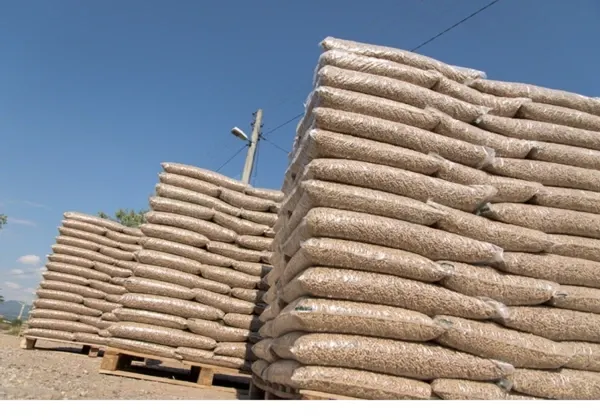
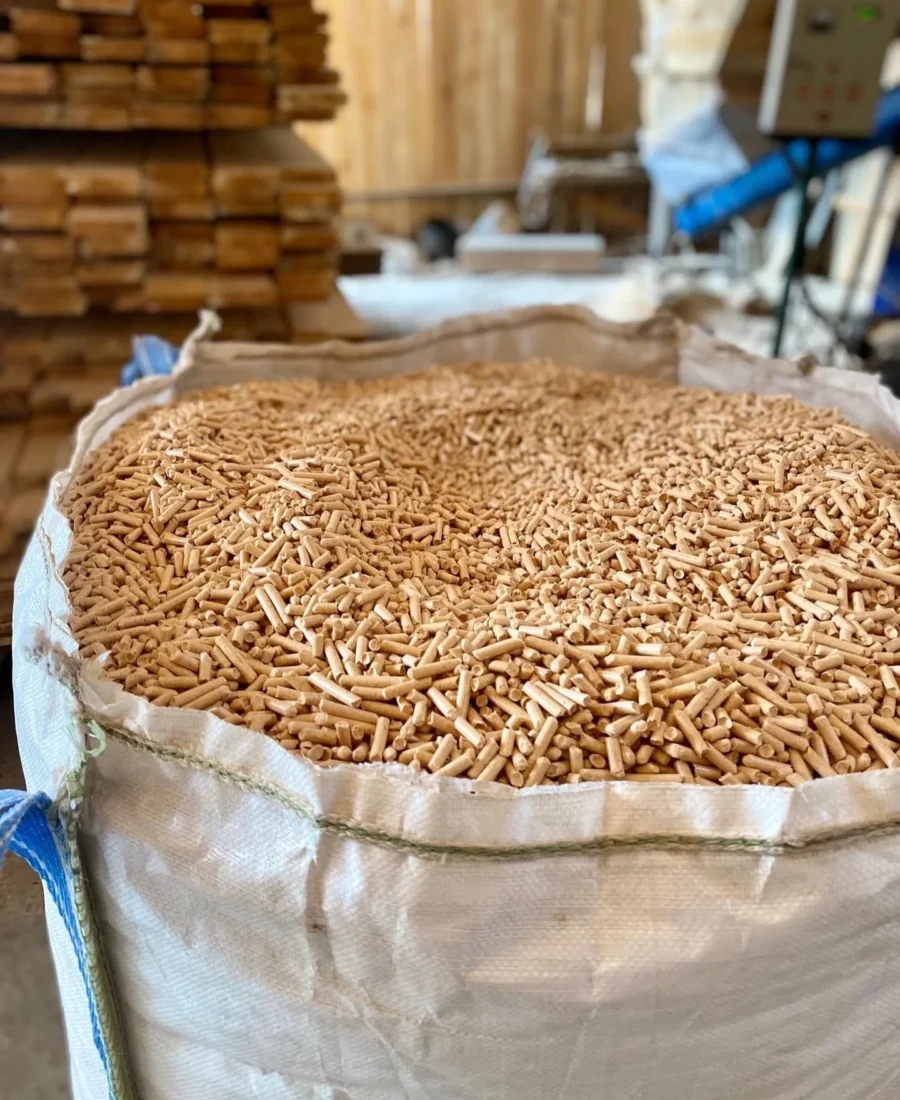
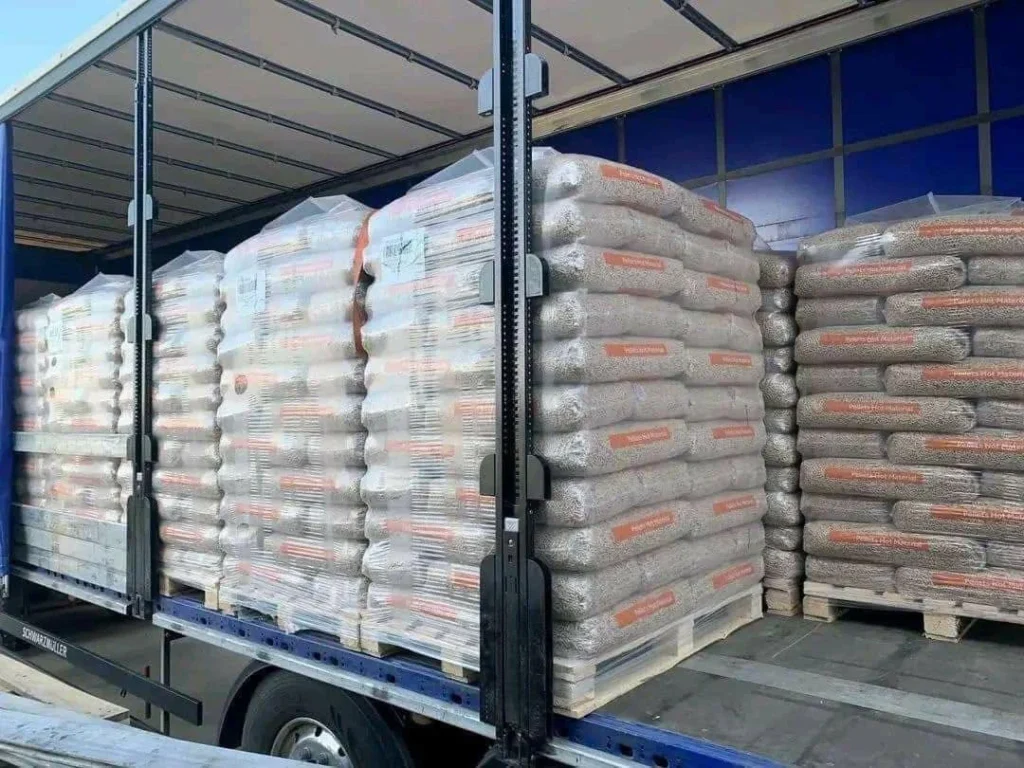
A garden centre in Spain sends its own truck to Pedrógão Grande to pick up 24 pallets of pellets. Under EXW the seller only makes the goods available; strictly speaking it is not even obliged to load them, and export formalities are the buyer’s job (Kuehne+Nagel). In practice, most suppliers load with their forklift — but if a pallet is dropped during loading, the risk under EXW is technically already yours. Agree in writing who loads.
FCA: your haulier collects, the seller loads
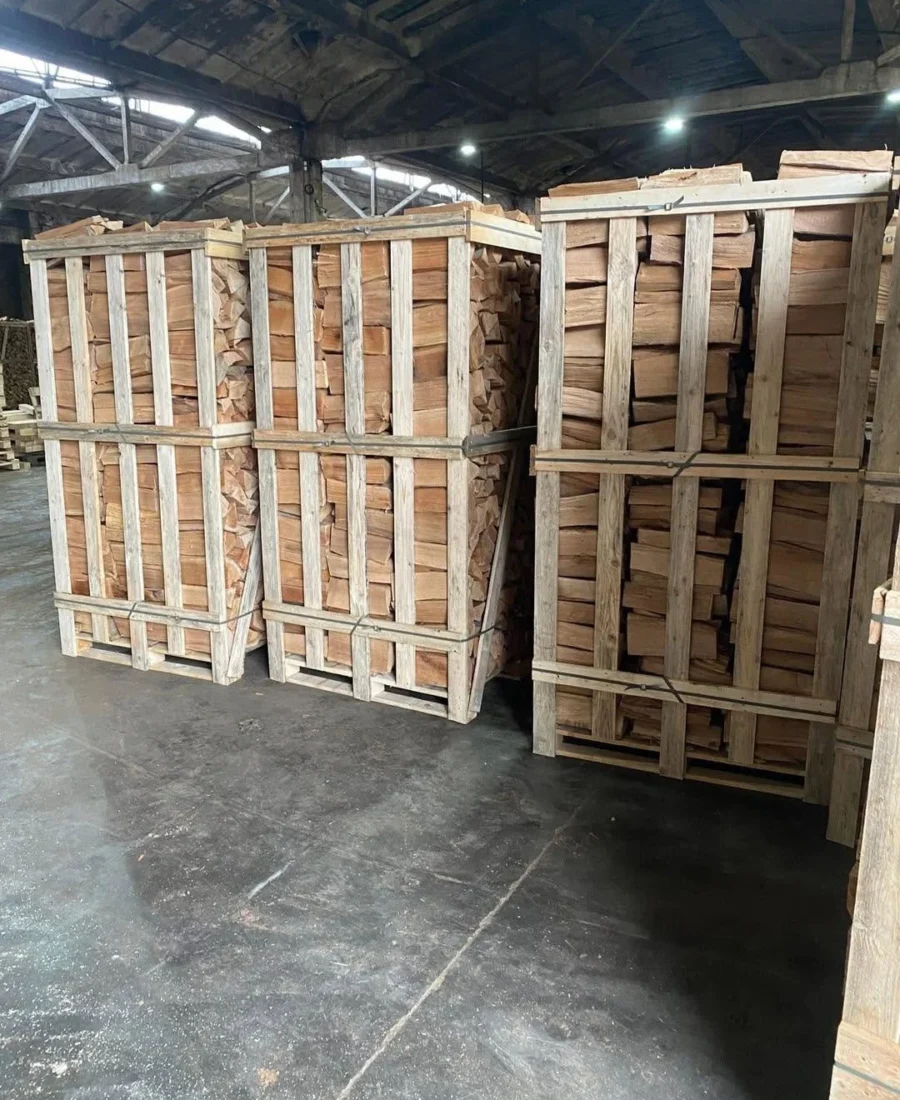
An importer in France books a curtain-sider for 24 tonnes of firewood in crates. With “FCA seller’s premises” the seller loads the truck and handles any export formalities; once the goods are loaded on the buyer’s vehicle, risk passes to the buyer. FCA is often the cleanest option for professional buyers who have their own transport contracts. For sea freight, Incoterms 2020 added an option allowing the parties to agree that the buyer’s carrier issues an on-board bill of lading to the seller, which is useful when payment is made by letter of credit (ICC).
DAP: delivered to your door
A charcoal distributor in Lisbon or Madrid wants a fixed delivered price. Under DAP the seller arranges and pays the truck and carries the risk until the goods arrive at the named place, ready for unloading. The buyer unloads and handles import clearance where it applies. DAP is the simplest rule for resellers who do not want to manage freight, but compare it fairly: the price includes transport and the supplier’s freight margin.
CIF: a 40 ft container to Jebel Ali
A trader in Dubai buys pellets or charcoal by the 40 ft container, CIF Jebel Ali. The seller pays the ocean freight and the minimum insurance to Jebel Ali, but risk passes to the buyer as soon as the goods are on board the vessel in Europe.
Under Incoterms 2020 the minimum cover under CIF remains Institute Cargo Clauses (C), a limited cover; if you want broader protection, negotiate higher cover or buy additional insurance yourself (ICC). With containers, note that the goods are often handed over at a terminal before they are loaded on board, so discuss with your supplier whether FCA or CIF better matches how the container is actually delivered.
Who pays and insures what
Here is how costs and risks split when you compare Incoterms for importing wood pellets, firewood or charcoal:
- Loading at origin: buyer under EXW (unless agreed), seller under FCA at its premises, DAP and CIF.
- Main transport: buyer under EXW and FCA; seller under DAP and CIF.
- Insurance: only CIF (and CIP) oblige the seller to insure. Under EXW, FCA and DAP, each party insures its own risk; under DAP that means the seller during transit.
- Import duties and taxes: paid by the buyer under all four rules. Within the EU single market there is no customs clearance between member states, but VAT rules still apply.
The documents you will see
- CMR consignment note: the standard road document for international truck transport under the CMR Convention, adopted in 1956. According to the IRU, 58 countries apply the CMR and 39 of them have ratified or acceded to the electronic eCMR protocol (as of 2026).
- Bill of lading: the sea-freight document that serves as receipt, evidence of the contract of carriage and, if negotiable, title to the goods. Essential for CIF and letters of credit.
- Commercial invoice and packing list: showing the Incoterm, named place, number of pallets or bags and weights.
- Other documents such as a certificate of origin may be required by the importing country; check with your customs broker before the goods ship.
Which Incoterm should you choose?
There is no single best answer to Incoterms for importing wood pellets; it depends on your logistics strength. If you have good freight contracts, FCA usually gives the lowest total cost and the most control. If you want one predictable delivered price for Portugal or Europe, DAP is easiest. For overseas container buyers, CIF to a named port is common, but read the insurance clause. EXW suits buyers who collect with their own vehicles and are comfortable with the formalities.
FAQ
Are Incoterms 2020 still valid in 2026?
Yes. Incoterms 2020 remain the current rules. ICC is preparing Incoterms 2030, with publication planned for late 2029.
Does CIF insurance fully protect my cargo?
Not necessarily. CIF requires only minimum cover, Institute Cargo Clauses (C). For valuable or sensitive cargo, agree higher cover or take out your own policy.
What is the difference between EXW and FCA for a truck collection?
Under FCA at the seller’s premises the seller loads the truck and handles export formalities. Under EXW the buyer carries risk during loading and handles export formalities.
Which Incoterms for importing wood pellets by container to the UAE?
CIF Jebel Ali is common, with the seller paying freight and minimum insurance. FCA is an alternative if you prefer to control the ocean freight yourself.
4 Wood Lda quotes wood pellets, firewood, charcoal and briquettes EXW, FCA, DAP or CIF — by pallet, full truck or 40 ft container, including to Jebel Ali for the UAE. If you are comparing Incoterms for importing wood pellets or other wood fuels, tell us your destination and volumes through the quote form, see our shipping and delivery page or browse our BBQ pellets. Prices are on request; WhatsApp +351 966 799 273.
Sources and references
- Incoterms® 2020 International Chamber of Commerce, accessed November 2026
- Incoterms explained Kuehne+Nagel, accessed November 2026
- Incoterms® 2030 ICC Austria, accessed November 2026
- What is CMR? IRU, 2026